

In the ever-evolving landscape of the construction industry, one term has been gaining significant traction: Building Information Modeling (BIM). This transformative approach to project design, construction, and management has revolutionized the way buildings are conceptualized, constructed, and maintained. From improving collaboration among stakeholders to enhancing efficiency and reducing costs, BIM is reshaping the very foundation of construction processes worldwide.
What is BIM?
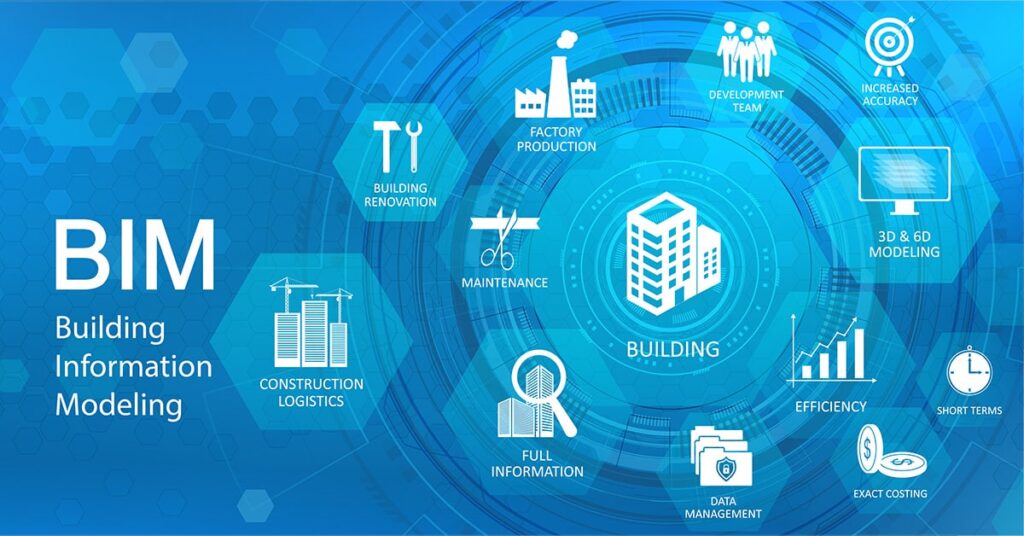
At its core, BIM is a digital representation of physical and functional characteristics of a building. It integrates all aspects of a construction project, including architectural, structural, mechanical, and electrical elements, into a unified model. This model serves as a shared knowledge resource for information about a facility, forming a reliable basis for making decisions throughout its lifecycle.
Enhancing Collaboration and Communication
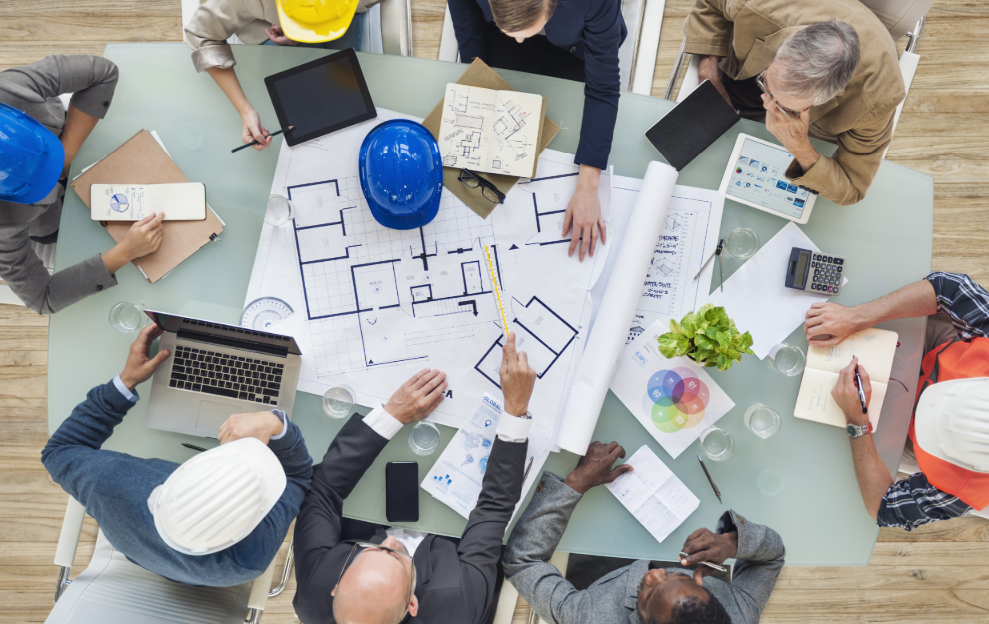
One of the most significant advantages of BIM is its ability to foster collaboration among various stakeholders involved in a construction project. Architects, engineers, contractors, and clients can work together seamlessly within a single, centralized platform. This collaborative environment encourages better communication, reduces errors, and ensures that everyone is working towards a common goal.
Streamlining the Design Process
Traditionally, the design process involved multiple iterations of drawings and plans, leading to potential discrepancies and delays. BIM streamlines this process by allowing real-time visualization and simulation of the building’s components. Designers can explore different options, evaluate their impact, and make informed decisions early in the project lifecycle, saving both time and resources.
Improving Construction Efficiency
BIM facilitates more efficient construction processes by enabling detailed scheduling, sequencing, and coordination of activities. With accurate 3D models, contractors can identify clashes and conflicts before they occur on-site, reducing the need for costly rework and change orders. Additionally, BIM allows for the prefabrication of building components, further optimizing construction timelines and minimizing waste.
Optimizing Facility Management
Beyond the construction phase, BIM continues to provide value throughout the building’s lifecycle. Facility managers can leverage the rich data embedded within the BIM model to streamline maintenance operations, track asset performance, and plan for future renovations or upgrades. This comprehensive approach to facility management ensures that buildings remain functional, efficient, and sustainable over time.
Embracing Sustainability
In an era of increasing environmental awareness, BIM plays a crucial role in promoting sustainability within the construction industry. By simulating energy usage, daylighting, and thermal performance, designers can optimize building designs for maximum efficiency and minimize environmental impact. Furthermore, BIM enables the integration of renewable energy systems and green building materials, further reducing carbon footprints and promoting eco-friendly practices.
Looking Ahead
As technology continues to advance, the potential of BIM within the construction industry is limitless. From augmented reality and virtual reality applications to artificial intelligence-driven analysis and optimization, the future of BIM holds exciting possibilities for further innovation and improvement. By embracing this transformative approach to building design and construction, stakeholders can unlock new levels of efficiency, sustainability, and collaboration, shaping a brighter future for the built environment.
In conclusion, Building Information Modeling (BIM) represents a paradigm shift in the way construction projects are conceived, executed, and managed. By harnessing the power of digital technology, BIM enables stakeholders to collaborate more effectively, streamline processes, and drive sustainable outcomes throughout the building lifecycle. As the industry continues to embrace BIM, it is poised to deliver buildings that are not only functional and aesthetically pleasing but also resilient, efficient, and environmentally responsible.

One Response
Hi, this is a comment.
To get started with moderating, editing, and deleting comments, please visit the Comments screen in the dashboard.
Commenter avatars come from Gravatar.