

In the realm of Building Information Modeling (BIM), interoperability is key to unlocking the full potential of digital collaboration across the construction industry. At the heart of this interoperability lies the Industry Foundation Classes (IFC) file format—a universal standard for the exchange of BIM data. In this blog post, we’ll delve into the world of IFC files, exploring their significance, practical applications, and the role they play in shaping the future of construction.
Understanding IFC Files
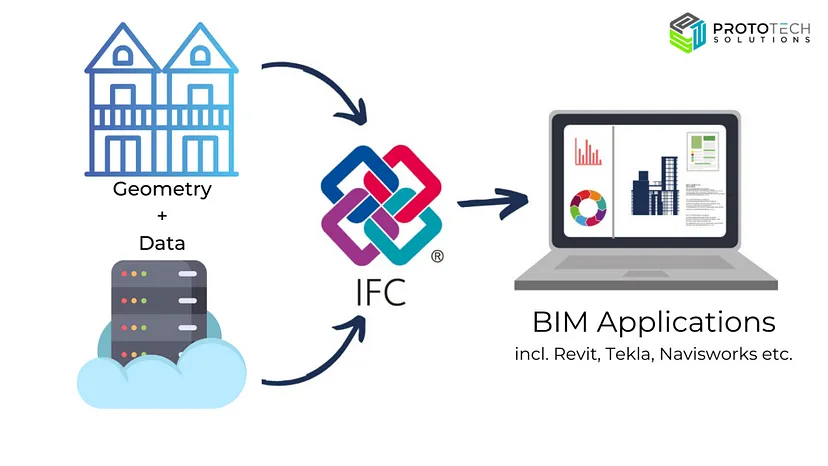
IFC files serve as a common language for sharing BIM data among different software applications and platforms. Developed by the International Organization for Standardization (ISO), IFC files enable seamless interoperability between various BIM software tools, regardless of their origins or functionalities. These files contain rich, structured data about building elements, properties, relationships, and more, allowing stakeholders to exchange information accurately and efficiently throughout the project lifecycle.
Practical Applications
The versatility of IFC files extends across all stages of a construction project, from design and planning to construction and facility management. Here are some practical applications of IFC files:
- Collaborative Design: Architectural, engineering, and construction (AEC) professionals can use IFC files to exchange digital models and collaborate on design iterations in real-time. This enables multidisciplinary teams to work together seamlessly, regardless of the software tools they use.
- Clash Detection and Coordination: IFC files facilitate clash detection and coordination by federating discipline-specific models into a single, federated model. This allows stakeholders to identify and resolve conflicts early in the project lifecycle, minimizing rework and delays during construction.
- Quantity Takeoff and Estimation: Contractors and quantity surveyors can extract accurate quantities and measurements from IFC files to generate cost estimates and procurement schedules. This enables more precise budgeting and resource allocation, leading to better project outcomes.
- Construction Planning and Sequencing: IFC files support the visualization and simulation of construction sequences, enabling contractors to optimize workflows, logistics, and resource utilization on-site. This helps improve construction efficiency and productivity while minimizing disruptions and delays.
- Facility Management and Maintenance: Building owners and facility managers can leverage IFC files to capture as-built information and asset data for use in facility management systems. This facilitates proactive maintenance, space planning, and lifecycle management, ensuring that buildings remain functional and efficient over time.
Advantages of IFC Files
The adoption of IFC files offers several advantages for stakeholders across the construction industry:
- Interoperability: IFC files promote seamless interoperability between different BIM software applications, allowing stakeholders to exchange data without loss of fidelity or integrity.
- Data Standardization: IFC files adhere to a standardized data schema, ensuring consistency and compatibility across different software platforms and versions.
- Open and Neutral: IFC files are open and vendor-neutral, meaning they are not tied to any specific software vendor or proprietary format. This fosters competition, innovation, and collaboration within the BIM ecosystem.
- Future-Proofing: By embracing IFC files, stakeholders future-proof their projects against changes in software technology or vendor preferences. This ensures that project data remains accessible and usable over the long term.
Conclusion
IFC files represent the cornerstone of interoperability in the world of Building Information Modeling. By embracing this universal standard for data exchange, stakeholders can unlock new levels of collaboration, efficiency, and innovation across the construction industry. Whether it’s facilitating collaborative design, streamlining construction workflows, or optimizing facility management processes, IFC files play a pivotal role in shaping the future of construction, one digital model at a time.
